
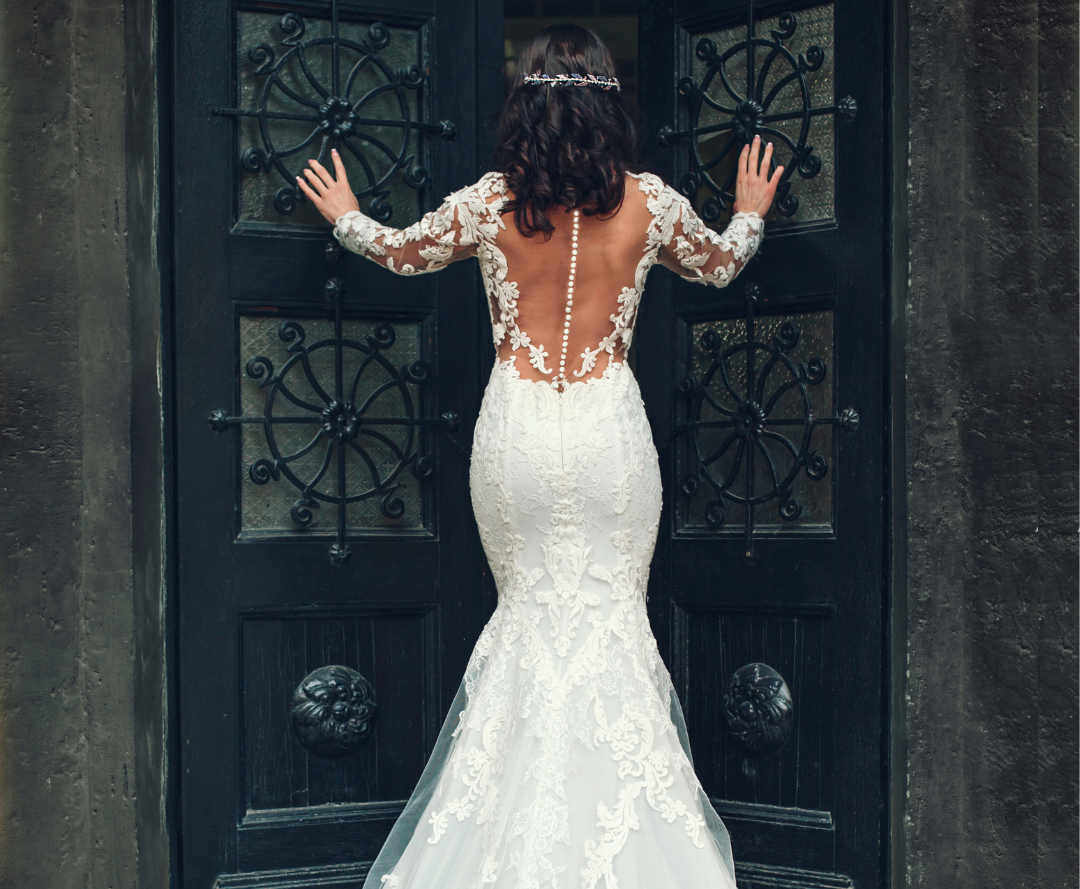
Spill something on your favorite top? Annoying, sure, but usually fixable with a quick wash and a promise to be more careful next time. But when a splash of red wine lands on a white silk bodice or oily makeup smudges a lace illusion neckline, no DIY hack or off-the-shelf stain remover is going to fix it. But a wedding dress cleaning specialist can!
Only a trained wedding dress cleaner understands the unique nature of bridal fabrics — their delicate weaves, hidden layers, and vintage-inspired details. They know exactly which gentle methods and specialized solvents will lift a tough stain without harming the integrity of the dress.
So before you reach for that stain stick or start Googling “how to clean red wine off satin,” take a pause. Let’s take a closer look at the five types of stains that absolutely need a specialist’s touch — no exceptions.
1 of 5 | Champagne and Wine Stains
The toast was perfect. The spill? Not so much.
It’s not a wedding without a toast — or two. But when those celebratory sips of champagne or red wine end up on your dress instead of in your glass, they leave more behind than just a good memory. Even if the mark looks small (or invisible), sugar and pigment are already hard at work deep in the fabric of your dress. And here’s the thing: time doesn’t help — professional care does.
Why They’re So Sneaky (and So Stubborn)
- Sugar residues from champagne often start out clear, but eventually caramelize and darken with age.
- Red wine bonds instantly to protein-based fibers like silk and satin, locking in pigment fast.
- Scrubbing or blotting spreads the damage, pushing stains deeper into embroidery and layered fabric.
- Specialist treatments include enzyme soaks and solvent rinses, designed to break down sugars and lift pigment gently.
- Professional cleaners neutralize lingering residues, preventing future yellowing in storage or preservation boxes.
Pro Tip: Even if the stain isn’t visible now, that doesn’t mean it’s gone. If your dress was part of the party, it’s time to let a specialist take a look before it becomes a permanent memory.
2 of 5 | Makeup and Foundation Smudges
The sneaky stain you didn’t see coming!
Makeup is one of the most common wedding day dress disasters. Between getting dressed, hugging guests, and touching up for photos, it’s easy for foundation, blush, or lipstick to end up on your dress. What most people don’t realize is that many cosmetic products, especially long-wear or waterproof formulas, are oil-based and packed with clingy pigments.
Why Makeup Stains Are So Tricky
- Oil and pigment go deep. Long-wear cosmetics don’t just sit on top of the fabric — they bond with it.
- Your dress is made of delicate materials. Fabrics like silk, tulle, and lace are unforgiving when it comes to greasy or colored residue.
- Spot-cleaning can make things worse. DIY stain removers may leave water rings or discoloration, especially on matte finishes.
- Solvents need precision. Lipstick and mascara often require professional-grade, solvent-based cleaners that should never be used without fabric testing.
- Hard-to-reach areas pose a risk. Stains near the neckline, sleeve cuffs, or bodice lining can’t be safely reached without proper tools and techniques.
The Expert Difference:
A trained bridal cleaner won’t just treat the stain. They’ll run a fiber compatibility test first, use specialty tools to protect the structure of your dress, and make sure no residual product remains before sealing it up for preservation or resale.
3 of 5 | Water Stains and Rain Marks
It’s just water — how bad can it be? Surprisingly, very bad when it comes to wedding dresses.
Many people assume water can’t leave a stain. But on clothing fabrics like silk or satin, even clean water can leave behind dull spots, warped textures, or rings, especially if the dress isn’t dried properly. Rainwater is even worse. It can carry minerals, pollutants, and microscopic debris that interact with dyes and cause discoloration. If your dress got caught in a drizzle or dealt with humid conditions, you’re looking at a stain only a specialist should touch.
Why Water Isn’t Always Safe for Wedding Dresses
Let’s look at what makes water-based stains especially tricky:
- Silk and satin react to moisture with texture changes. These materials can develop stiff or blotchy areas when exposed to water.
- Rainwater can contain minerals or pollution. These hidden contaminants cause yellowing or rust-colored spots over time.
- Improper drying methods lead to permanent damage. Hanging a wet dress can stretch the fabric or distort beading and structure.
What Professionals Do Differently
Bridal dress specialists have the tools and controlled environments to:
- Manage humidity during cleaning and drying
- Use spot hydration and steam methods tailored to the fabric type
- Restore the sheen and drape without causing further damage
Never assume a water mark will disappear on its own; if anything, it might get worse. Take your dress to a bridal dress cleaner who knows exactly how to reverse water damage without creating new issues.
4 of 5 | Mold and Mildew
Mold and mildew aren’t just unpleasant. They’re active, destructive organisms that feed on natural fibers.
If your dress was stored without proper preservation or kept in a damp basement or attic, there’s a real risk of mold or mildew forming. These stains aren’t just ugly; they’re destructive. Mold feeds on natural fibers and can weaken the structure of your dress over time. It also releases spores that can continue to grow even after a visible stain is gone. This is one issue you absolutely should not try to fix with a home remedy.
Why This Is Never a DIY Job
Trying to treat mold or mildew at home, especially on delicate bridal fabrics, can make things worse. Here’s how professionals handle it:
- Fabric Protection First. Experts know how to treat natural fibers without causing breakdown, ensuring cotton linings and silk overlays stay intact.
- Total Odor Plus Spore Elimination. It’s not enough to clean what you can see. Professionals neutralize mold at the root, stopping it from spreading further.
- No Harsh Chemicals, Ever. Household cleaners may leave chemical burns or discoloration, especially on intricate lace or embroidery.
- Safe Antimicrobial Treatments. Professionals use fiber-safe formulas to break down organic growth without compromising the beauty of your dress.
- Preservation You Can Trust. Once cleaned, your dress is restored and packed with museum-grade tools — think acid-free tissue, humidity control, and breathable preservation boxes.
5 of 5 | Grease and Oil Stains
Unlike other stains, grease and oil love to spread.
Grease stains might come from wedding cake frosting, face lotion, hair oil, or food served at your reception. These spots often don’t show up immediately but oxidize over time into yellow or brown marks. Worse, oil spreads. A small stain can seep outward and affect multiple fabric layers if left untreated. Home remedies like baking soda or dish soap can cause water rings or discoloration, especially on satin or lace.
Why Oil Stains Require Expert-level Cleaning
- Oils are hydrophobic and resist water-based cleaners. That means traditional soap and water won’t cut it.
- They bond tightly with natural fibers. Dresses made of silk, chiffon, or cotton are especially vulnerable.
- DIY fixes can backfire. Many brides try powders or stain pens, which leave residues or set the stain further.
- Professionals use dry-side solvents. These solutions dissolve grease without affecting fabric structure or color.
- Specialists treat both surface and underlayers. Oil can drip or press into linings, so thorough cleaning requires disassembly or layering techniques.
Before You Box It Up…
If you wore your dress through dinner, dessert, or just a long reception of hugs and dancing, get it inspected before storing it away. Grease stains don’t fade — they spread and deepen. One professional treatment now can save your dress from irreversible damage later.
Don’t Let Stains Leave a Trace — Schedule Your Professional Wedding Dress Cleaning and Preservation Service with B&C Cleaners
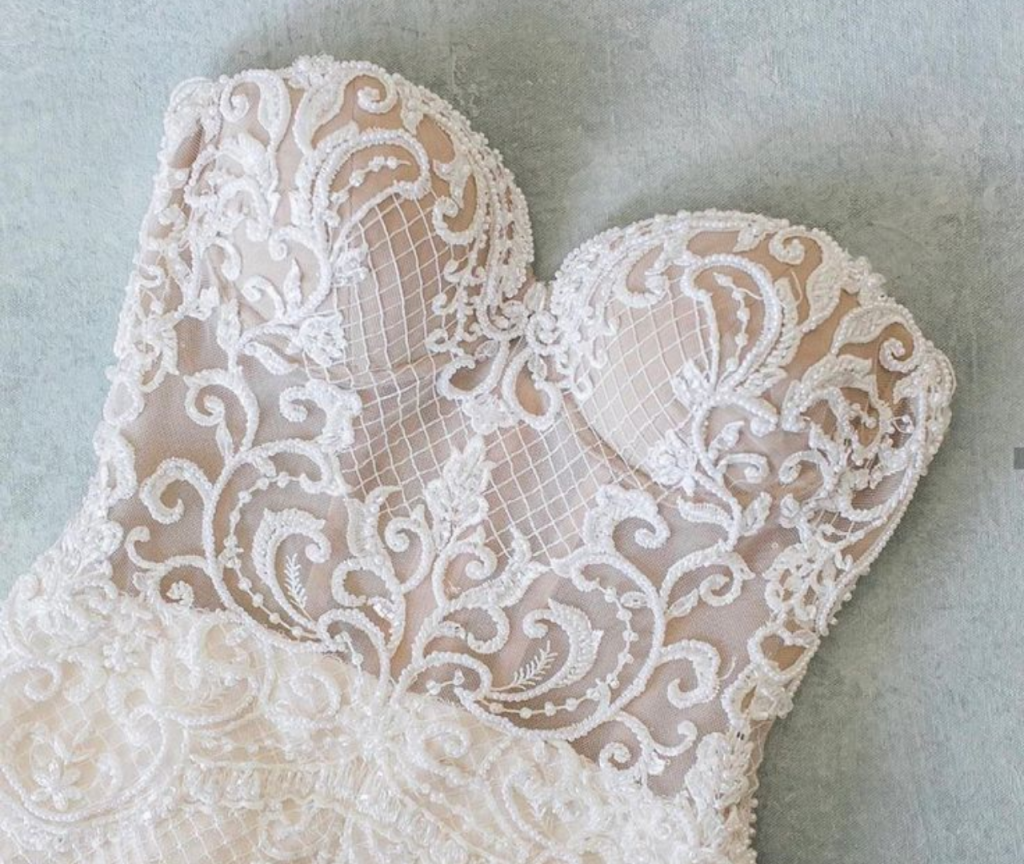
Weddings are precious moments, and the wedding reception can be full of joyful chaos: spilled champagne, makeup hugs, and dance floor mishaps. That’s why for stains on pieces as special as your wedding dress, hand over its care to the specialists at B&C Cleaners. Whether you’re a bride with intricate lacework or a beaded bodice, our team is trained in handling delicate fabrics with utmost precision and care.
At B&C Cleaners, we always recommend prompt wedding dress cleaning and preservation because the sooner you act, the better the results. If you decide to drop by, our store is located at 201 South Washington Avenue in Marshall, Texas. You can also call us at (903) 345-1479 or email jordan@bandccleaners.com.