
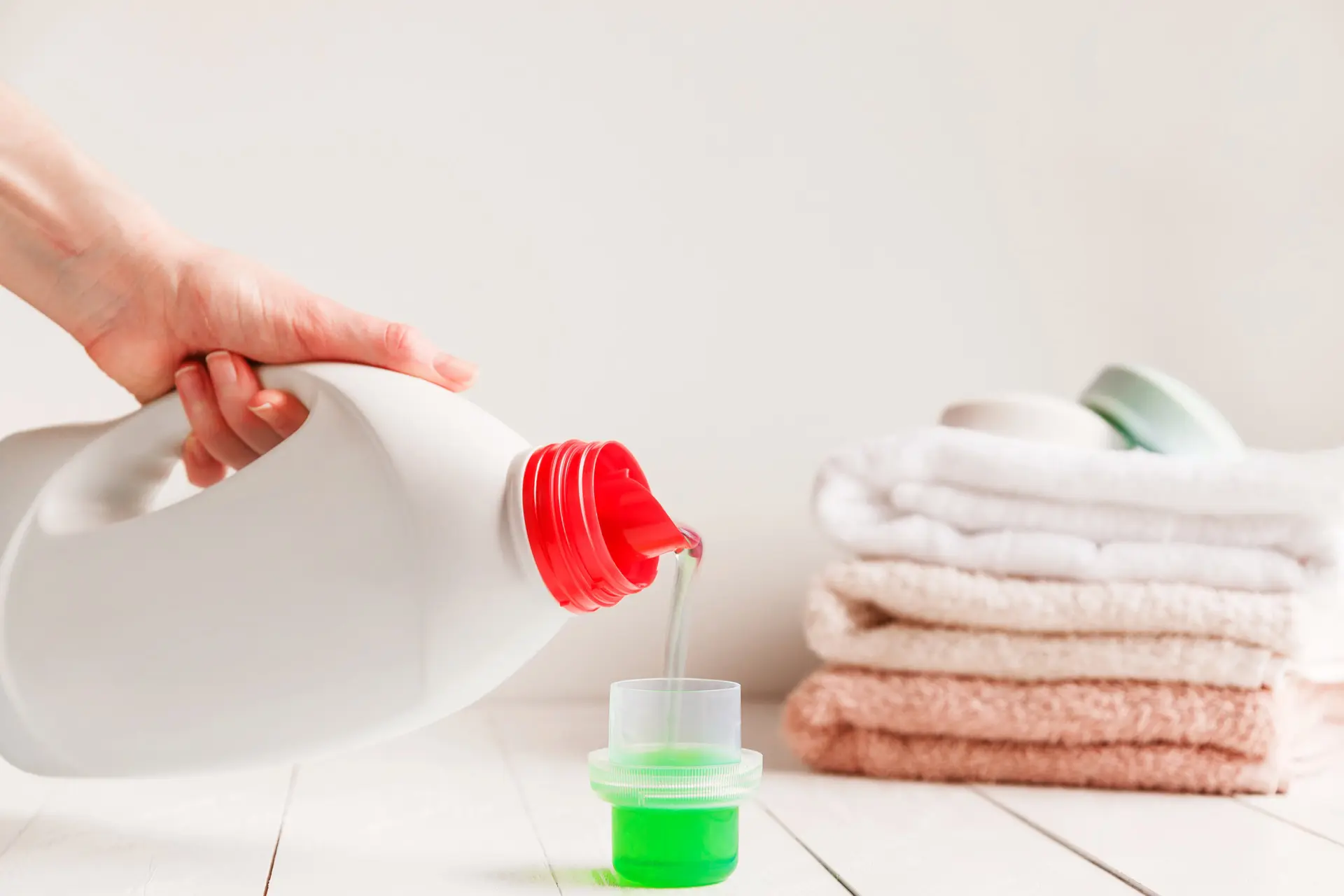
Every detergent brand has its own carefully guarded formula—blends of enzymes, fragrances, and chemicals that make their products stand out on the shelf. But what works for basic loads of cotton T-shirts and towels isn’t always right for delicate items. In fact, many of these household detergents are simply too harsh for fragile fabrics like silk, wool, or lace. And using them can strip, fade, or even shrink fragile textiles.
If you’ve ever pulled a favorite blouse or scarf out of the wash only to find it a size smaller or missing its original softness, you’ve seen the effects first hand. This is why understanding the unique needs of delicate fabrics—and knowing when to reach for a gentler option or even a professional cleaner—is so important.
Six Common Ingredients Found in Regular Detergents
Ever wonder what’s actually in your laundry detergent? Most of us just grab a bottle off the shelf without a second thought, trusting it’ll get our clothes clean and smelling fresh. But beneath the colorful packaging and clever branding, a blend of powerful chemicals works together to tackle dirt, stains, and odors.
Let’s break down some of the most common ingredients found in everyday laundry detergents:
1. Surfactants
These are the heavy lifters in detergents. Surfactants loosen dirt and grime, making it easier for water to rinse them away. They’re great at removing stains from sturdy fabrics, but for delicate textiles, they can be too aggressive and wear down fibers over time.
2. Enzymes
Enzymes target organic stains like food, sweat, and grass, breaking them down on a molecular level. While effective for tough messes, enzymes can actually weaken certain fabrics, especially those made of natural proteins like wool and silk.
3. Optical Brighteners
Ever notice how some clothes seem extra bright after washing? That’s due to optical brighteners, which leave a fluorescent layer on your clothes to make whites appear brighter. But this layer can make delicate fabrics look faded or dull over time and may even irritate sensitive skin.
4. Fragrances
We all love fresh-smelling laundry, and fragrances are added to deliver just that. However, these synthetic scents can be irritating and unnecessary for delicate items, as they don’t contribute to cleaning power and can linger in fragile fabrics longer than desired.
5. Preservatives
Detergents need to stay shelf-stable, so preservatives are added to prevent bacterial growth. While necessary for the product’s longevity, some preservatives cause skin irritation, especially if trapped in fabrics that aren’t thoroughly rinsed.
6. Bleaching Agents
Often added to remove tough stains and keep whites bright, bleaching agents are potent and can be harsh on fabrics. Delicate items, especially those with dye or natural fibers, can fade, weaken, or even develop holes when exposed to these ingredients
How to Choose a Safe Detergent for Delicate Items
Below are some tips to help you spot detergents that are safe for your delicate pieces, so you can clean them without worry.
- Look for “Gentle” or “Delicate” on the Label: Many detergent brands offer formulas specifically designed for delicate fabrics. These usually skip harsh chemicals and use milder ingredients that won’t strip fibers or cause fading. If the label mentions “gentle” or “delicate wash,” it’s generally a safer choice.
- Choose Fragrance Free Options: Fragrances sometimes contain hidden chemicals that aren’t fabric friendly, especially for delicate materials. Opting for fragrance free detergents reduces the risk of skin irritation and fabric damage, especially for items like silk or wool that are naturally sensitive.
- Avoid Bleach and Optical Brighteners: Bleaching agents and optical brighteners may make whites look brighter, but they’re too intense for fragile fabrics. Look for a detergent without these additives, as they weaken fabric fibers over time and cause delicate items to look worn out faster.
- Check for pH-neutral Formulas: A pH-neutral detergent is less likely to alter the fabric’s texture or color. Delicate items, especially those made from natural fibers, respond well to a balanced pH level, which helps preserve their original look and feel.
- Consider Plant-based Ingredients: Environmentally conscious and gentler on fabrics, plant-based detergents are usually free from the harsh chemicals found in traditional options. For those who want an environmentally friendly option that’s safe for delicate clothes, plant-based is a solid choice.
Other Best Practices to Maintain Delicate Clothes
Washing is only part of the equation when it comes to keeping delicate clothes in top shape. By adopting a few mindful habits, you can extend the life of your delicate garments, keeping them looking fresh and well cared for every time you wear them.
Here are some practical tips to help your delicate items go the distance.
1. Skip the Dryer
Heat is one of the biggest enemies of delicate fabrics, causing shrinkage, fading, and even fiber damage. Instead of tossing delicate items into the dryer, air dry them on a flat surface or hang them in a well-ventilated area. This approach keeps intact the fabric’s integrity and reduces the risk of shrinkage.
2. Hand Wash When Possible
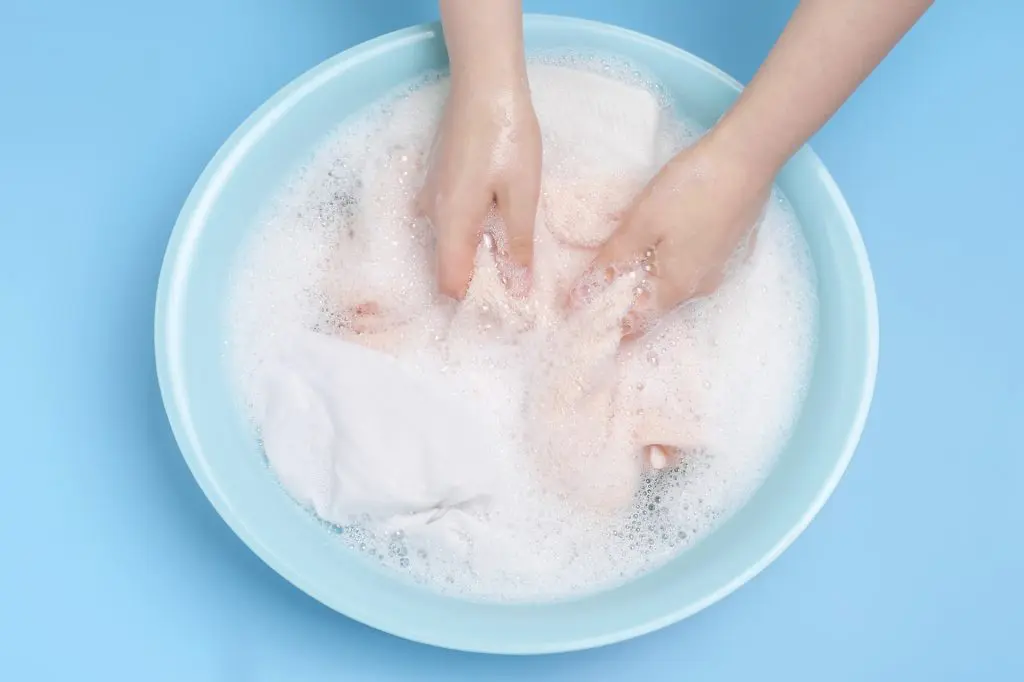
For the most fragile fabrics, hand washing can be gentler than even the “delicate” cycle on your washing machine. It gives you more control over the process, ensuring you don’t expose your clothes to rough tumbling or harsh rinsing. To avoid damage when hand washing, use cold water and a mild detergent designed for delicate fabrics.
3. Use Mesh Bags for Machine Washing
If you must use a washing machine, place delicate items in mesh laundry bags. These bags act as a protective barrier, reducing friction and keeping your garments safe from snags and pulls during the wash cycle. It’s a simple step, but it can really help prevent damage.
4. Be Mindful of Storage
How you store delicate clothes matters. For leather and suede, avoid plastic bags, which can trap moisture and cause mildew. Instead, opt for breathable fabric bags or covers to protect these items from dust while allowing airflow. For other delicate fabrics, folding them gently in a drawer or on a shelf helps prevent stretching and keeps them looking fresh.
5. Avoid Direct Sunlight
Sunlight can fade and weaken delicate fabrics, especially those with natural dyes. When drying or storing these items, keep them away from direct sunlight to preserve their color and structure.
6. Refresh Between Wears
To avoid over-washing, consider refreshing delicate items between wears with a fabric refresher spray or by gently steaming them. This keeps your clothes looking and feeling fresh without the wear and tear of frequent washing.
Want the Best Care for Your Delicate Pieces? Trust them to the Pros at B&C Cleaners!
Treat your delicate pieces with the proper care, and they’ll return the favor by looking stunning every time you pull them out of your closet. At B&C Cleaners, we specialize in caring for the items that mean the most to you. From fine linens and your cherished wedding dress to leather jackets and suede pants, our team knows exactly how to treat each fabric and finish for lasting beauty.
Call our customer service team at 903-935-2461 for all your laundry and dry cleaning needs anywhere you are in Marshall, Texas and the surrounding areas!