
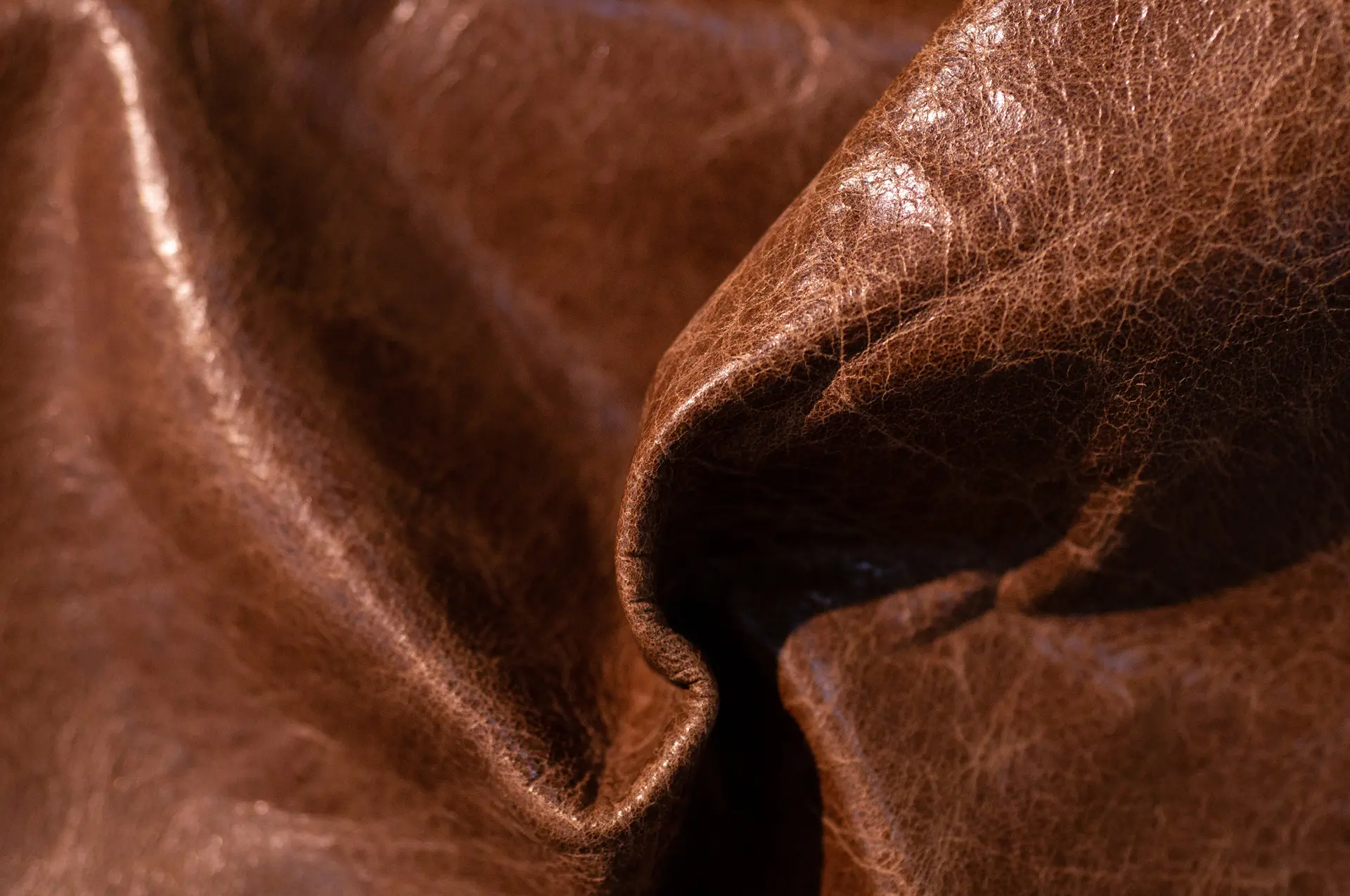
Witnessing your leather jacket crack slowly is not something you just shrug off, unlike a cotton jacket that fades or stretches out. Leather is an investment piece. It costs more, means more, and often carries stories you don’t want peeling away with the surface. So when you start noticing those tiny lines forming across the sleeves or shoulders, it’s a warning sign that your leather’s condition is headed in the wrong direction.
That damage didn’t just come out of nowhere. Cracks in leather are usually the result of missed maintenance or environmental stress. But the sooner you understand what’s going on, the easier it is to course-correct. Let’s take a closer look at what’s behind the cracking and what your leather is trying to tell you.
The Leather Is Losing Its Moisture and Oils
When leather starts to crack, it’s often because it has dried out. Leather is a natural material made from animal hide, and like skin, it needs moisture to stay soft and flexible. Without proper hydration, the fibers tighten and harden, leading to that brittle, cracked look. Many people don’t realize leather gradually loses its oils over time, especially if it’s regularly exposed to air, heat, or sunlight.
Once the natural oils begin to evaporate, your leather loses its supple feel and starts to deteriorate from the inside out.
What Your Next Steps Should Be
To prevent cracking, you need to know how to spot dehydration early and how to rehydrate leather the right way.
1. Look for dryness and dullness
If your leather looks faded or feels rough and papery, it’s likely dehydrated. Healthy leather should have a soft sheen and feel smooth to the touch.
2. Check for stiffness
Leather that feels stiff or resists movement has likely lost its oils. Flexibility is one of leather’s main strengths, so when it’s gone, that’s a red flag.
3. Use a leather conditioner
Choose a high-quality, pH-balanced conditioner designed specifically for leather or suede. These products help restore moisture and keep the fibers elastic.
4. Avoid petroleum-based products
They can clog the pores of the leather and damage the finish over time. Stick to conditioners made for leather garments, furniture, or accessories.
5. Condition regularly
A general rule is to condition every 3–6 months, depending on how often the item is used or exposed to dry conditions.
The Material Is Becoming Less Flexible and More Brittle
As leather loses its oils, the material begins to lose flexibility. You might notice your leather jacket or couch creases more easily or feels tight when you bend or fold it. That’s because the internal structure is drying out. Without moisture, those strong, interwoven fibers begin to weaken and harden.
Once it gets brittle, it becomes far more prone to surface cracks and eventual tears. This is a major warning sign your leather is at risk of permanent damage if you don’t take action.
What Your Next Steps Should Be
Flexibility is a core part of leather’s strength and beauty. Here’s what to do if you start noticing that rigid or hardened texture.
1. Apply a leather oil before conditioning
In severe cases, leather oils can help soften the item before conditioning. Make sure it’s appropriate for the type of leather – some soft bags or garments may darken slightly with oil use.
2. Massage gently
Use clean hands or a soft cloth to massage conditioner or oil into the leather. This helps distribute moisture evenly and encourages fiber movement.
3. Warm it slightly (with caution)
For some items, gently warming the leather (not hot!) can help the conditioner absorb more deeply. Avoid using hairdryers or heat guns; just let it sit in a room with mild warmth.
4. Store it properly afterward
Once the leather regains some softness, don’t bend or fold it sharply. Let it rest in a natural shape to avoid stress on newly soft areas.
It’s a Sign of Wear and Tear from Environmental Factors Like Heat and Sunlight
Environmental exposure is one of the most common reasons leather starts to break down. Heat and direct sunlight are especially harmful because they pull moisture from the leather’s surface and break down its protective finish.
Over time, that leads to fading, cracking, and even warping in cases of furniture or car seats. If your leather item spends a lot of time in bright, dry spaces, this might be exactly why it’s cracking.
This type of damage can sneak up on you, even if you think you’ve been careful.
What Your Next Steps Should Be
You don’t have to live in a cave to protect your leather, but smart habits make all the difference.
1. Avoid direct sunlight
Store leather jackets, handbags, and shoes away from windows or heat vents. If your couch sits near sunlight, use a throw blanket or rotate cushions regularly.
2. Maintain humidity levels
Dry air, especially in the winter or in cities like Dallas, can speed up cracking. A room humidifier helps protect leather furniture and clothing stored in closets.
3. Don’t leave leather in cars
Car interiors can heat up quickly, and the sun through your windshield is like a slow-cook oven for leather seats, shoes, or bags.
4. Clean before exposure
Dirt, oil, or sweat on leather can react with sunlight or heat and worsen the damage. Wipe down your items regularly using a soft cloth before storing or wearing them out.
Your Leather Is Aging Faster Than It Should
All leather ages, but when it starts cracking prematurely, it usually means something is off in how it’s being cared for. Leather can last decades when properly maintained, but neglect speeds up its aging process significantly.
Things like skipping conditioning, leaving it in the car, or overexposing it to water can cause a nice jacket to look 10 years older in just one season. Cracks are often the first visible signs the leather is aging unevenly or too fast.
Simple Habits That Slow Down Premature Aging
Extending your leather’s life doesn’t require expensive products, just mindful care.
1. Keep a care routine
Clean gently every few uses and condition every few months, even if the item “looks fine.” Prevention is easier than restoration.
2. Rotate usage
Don’t wear the same leather jacket or carry the same bag every day. Let leather items rest to maintain their structure and avoid constant exposure to body oils or friction.
3. Use breathable storage
Store your leather in cloth garment bags or cotton pillowcases, not plastic. Plastic traps moisture and speeds up both aging and mildew growth.
4. Repair small issues early
Loose stitching, tiny scuffs, or surface stains should be handled right away. Letting small things slide leads to larger problems like cracking or tears.
The Protective Oils and Natural Proteins Are Being Depleted
When leather is first tanned and finished, it contains a blend of oils, proteins, and waxes that make it soft, water-resistant, and durable. Over time, exposure to skin oils, air pollutants, friction, and even some leather cleaning solvents strips away that protective layer.
Once that barrier breaks down, the leather becomes vulnerable to water damage, staining, and surface cracking. This is why conditioning and gentle cleaning are so essential for long-term care.
What Your Next Steps Should Be
To keep your leather strong and safe from the inside out, focus on replenishing and preserving its natural layers.
1. Use leather-specific cleaning products
Harsh soaps and detergents strip away essential oils. Always use a pH-balanced leather cleaner, even if you’re spot-cleaning a stain on a jacket, handbag, or couch.
2. Condition after every cleaning
Cleaning opens the leather’s pores, which is a perfect time to follow up with conditioner. This locks in moisture and restores the finish.
3. Handle with clean hands
Oils, lotions, and dirt from your skin can wear down leather’s surface. Before handling leather accessories or garments, especially suede or silk-trimmed items, wash your hands or wear gloves.
4. Be careful with solvents and sprays
If you’re dealing with a stubborn stain, always test the cleaner on a hidden spot first. Solvents used on furniture or clothing can lift dye or damage the surface if not properly applied.
Protect Your Investment — Schedule Professional Leather Cleaning with B&C Cleaners

For expert cleaning and restoration of your leather, suede, and fur garments, trust the professionals at B&C Cleaners. Leather, suede, and fur are distinct from regular fabrics because they’re delicate, durable, and often costly. Cleaning them requires a delicate touch, an understanding of their unique properties, and a commitment to preserving their original beauty.
At B&C Cleaners, we have years of experience in dry cleaning and restoring a variety of leather, suede, and fur items, including vintage pieces and accessories. Proudly serving nearby areas, our Leather, Fur, and Suede Cleaning Service ensures your precious items are exceptionally cared for every step of the process.
Give us a call today at (903) 326-2512 to schedule your service. With our free Pickup and Delivery Service, we make fabric care simple and hassle free.